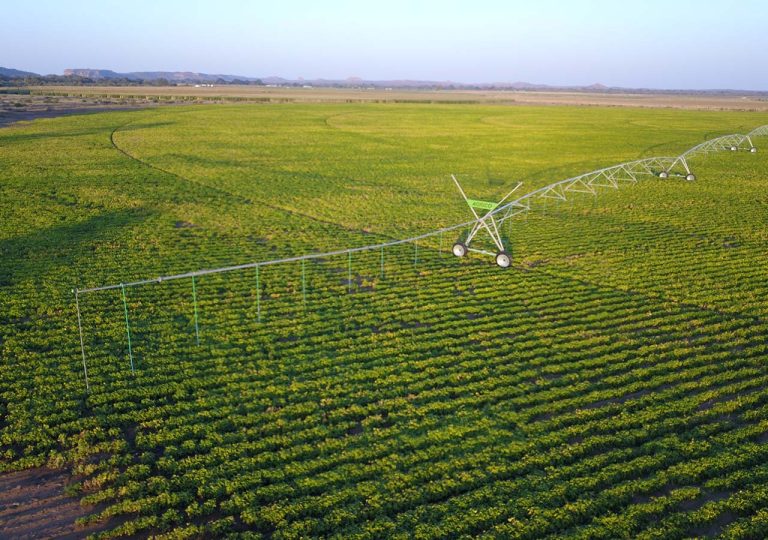
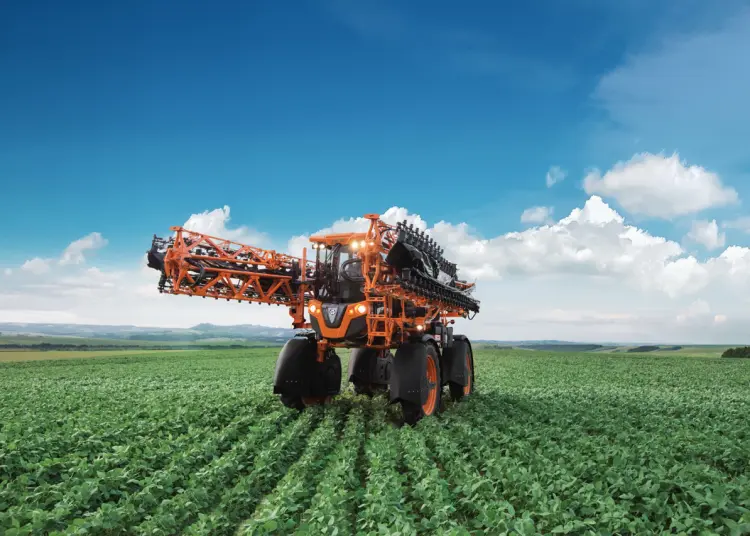
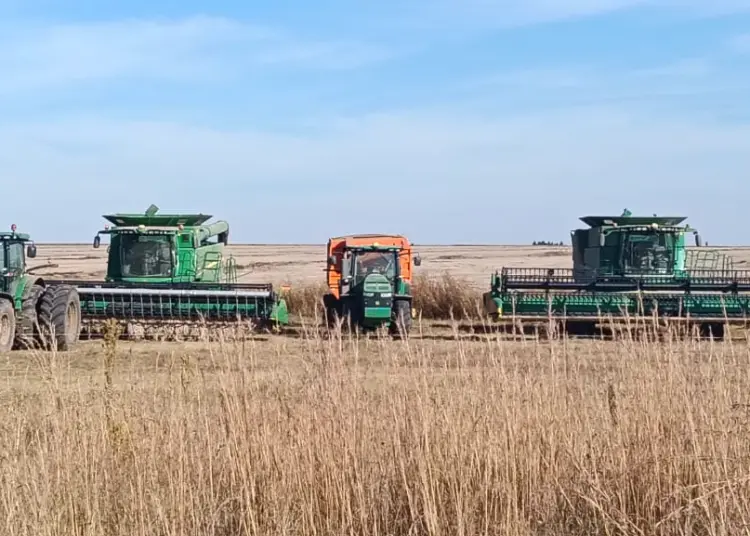
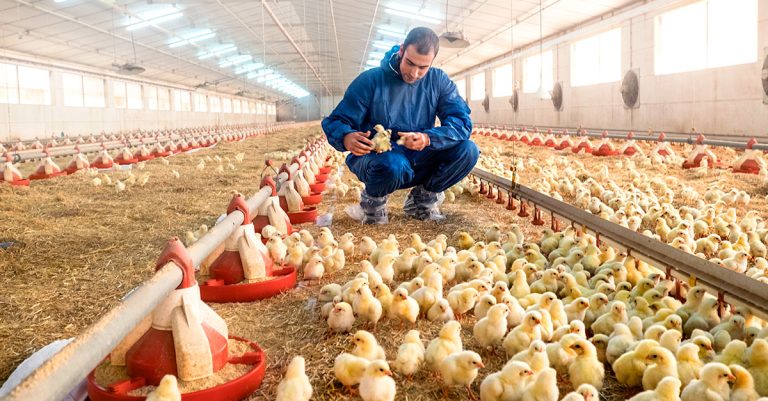
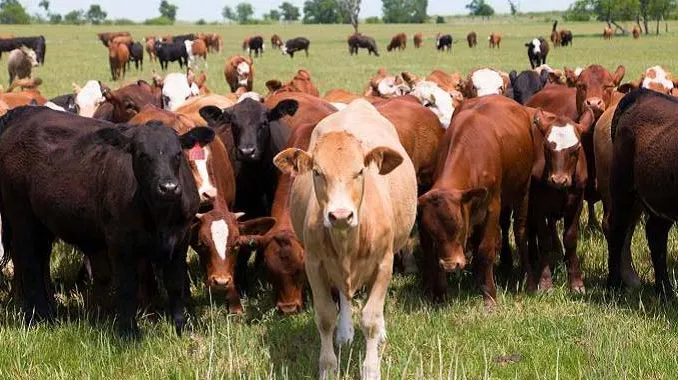
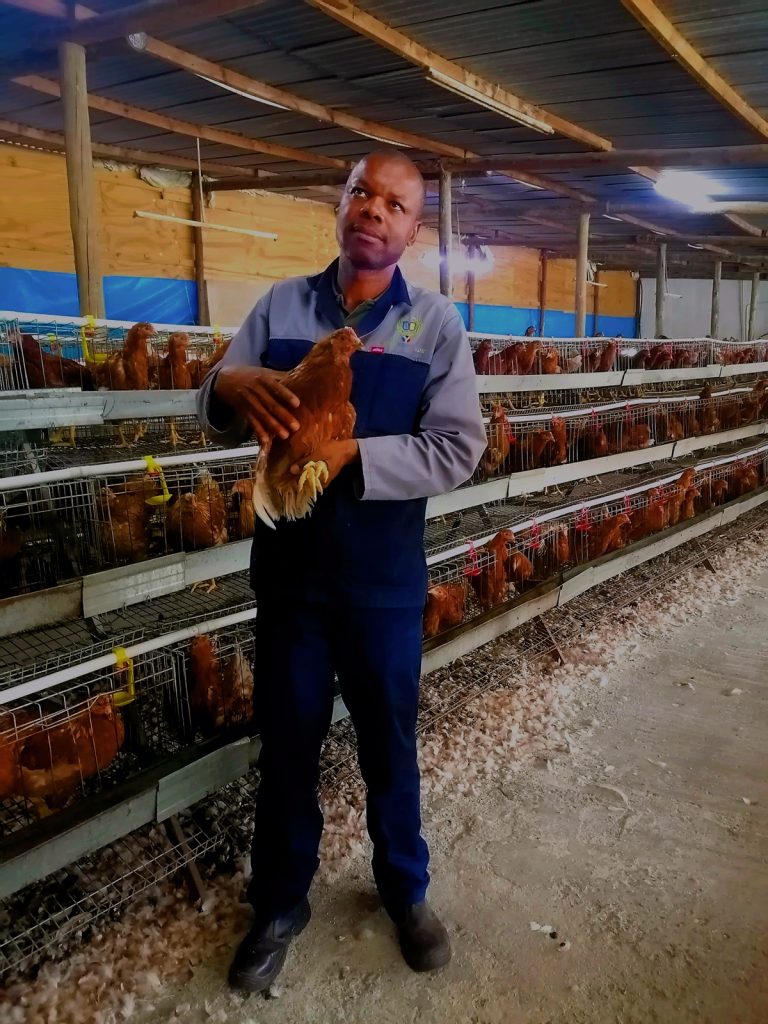
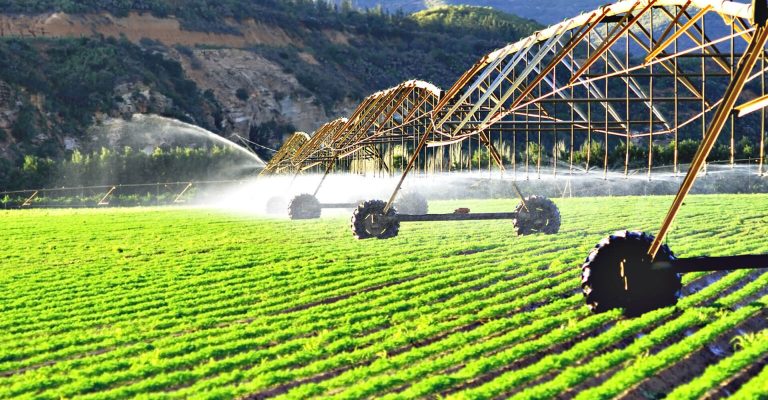
For the first time since gaining independence in 1980, Zimbabwe is set to conduct a comprehensive agricultural census, aiming to address long-standing data gaps that have hindered the development of the country’s vital agricultural sector. The census, known as the National Agricultural and Livestock Census (NALC), will provide crucial information to guide policy decisions and transform Zimbabwe’s agri-food systems. The absence of such a baseline survey for more than four decades has left the country with significant blind spots in planning, investment, and resource allocation. FAO Steps In with Technical Support The Food and Agriculture Organization of the United Nations (FAO) is providing technical assistance to Zimbabwe to help it develop a concrete plan of action for the NALC and begin mobilizing the necessary resources. This includes support in updating the national food balance sheet (FBS) — a critical tool for assessing food availability and ensuring food security. “This collaboration is part of FAO’s broader efforts to support Zimbabwe in strengthening its agricultural data systems and securing long-term food security,” the FAO said in a recent statement. A Cornerstone for Strategic Planning According to Dominique Habimana, FAO’s regional statistician for Africa, the upcoming census will be a cornerstone of two key national strategies: Zimbabwe’s Strategic Plan for Agricultural and Rural Statistics (2025–2029) The National Strategy for the Development of Statistics (2022–2026) “The NALC will offer a snapshot of the current state of agriculture in Zimbabwe,” said Habimana.“It will serve as a baseline for various agricultural subsectors and enable full enumeration for the first time. Importantly, the census will also help create a robust sampling frame to guide future agricultural surveys.” Why the Census Matters Now Zimbabwe’s agricultural sector remains a cornerstone of its economy and a key source of employment, especially in rural areas. Yet, the lack of reliable, up-to-date data has made it difficult for the government and development partners to make informed decisions, respond to crises, or invest in targeted interventions. The new census will capture critical information across a wide range of sub-sectors, including: Crop production Livestock holdings Irrigation and mechanization Land use patterns Rural household characteristics A Path Toward Data-Driven Food Security With the impacts of climate change, rising food prices, and fluctuating yields, accurate data is more important than ever. The agricultural census is expected to guide both national planning and international support, enabling Zimbabwe to better anticipate risks, allocate resources more effectively, and improve livelihoods.