
Category: AQUACULTURE
-

The Agrico T1000 Ripper: a durable solution for effective tillage
York Farm specialises in growing vegetables like potatoes, butternut squash, peppers, and onions, as well as farming cattle and game. The farm uses Agrico centre pivots to sustainably irrigate crops. Meanwhile, another Agrico machine is hard at work on the farm: The T1000 Ripper. According to Van der Linde, this machine is exactly what he…
-
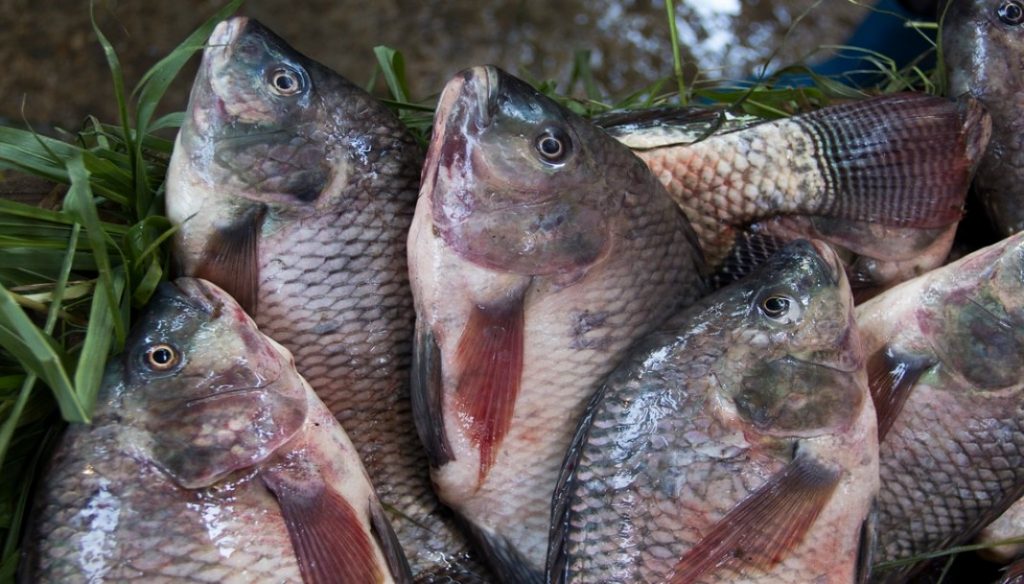
Rwanda issues a stern warning amid Lake Virus attack
The Rwandan government has issued a statement warning any persons bringing live fish illegally into the country after tilapia lake virus (TiLV) was identified in various countries. Following the discovery, the Ministry of Agriculture and Animal Resources (MINAGRI) banned the importation of tilapia fingerlings (young tilapia fish). The virus affects both wild and farmed tilapia…
-
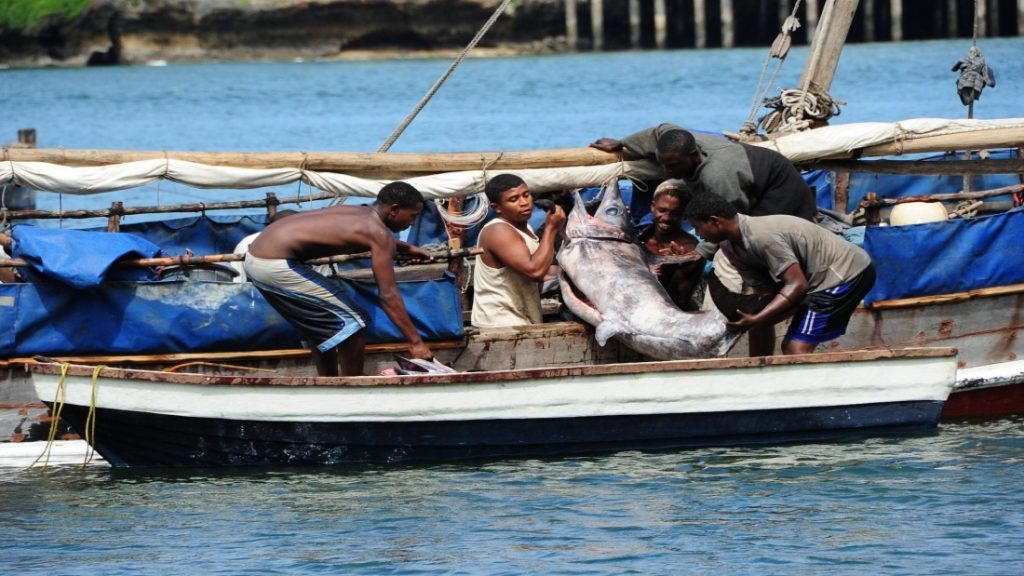
Over-exploitation of Africa’s fisheries: Not enough fish in the sea
China’s role in illegal, unreported and unregulated fishing has a disproportionate impact on Africa. There has recently been some controversy surrounding the mining of bauxite (a precursor to aluminium) in Ghana, with the role of Chinese investment taking centre stage. Bauxite promises to inject big money into the lower-middle-income country, but there are also serious…
-
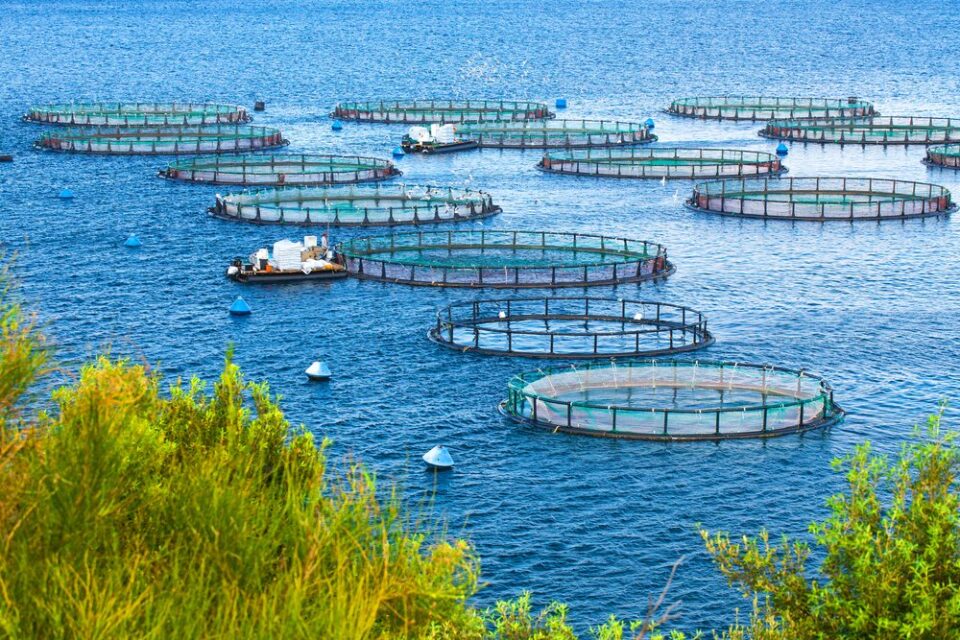
Rwanda: Kivu Fish Farmers Wary Over Sharp Decline in Production
The fishing community around Lake Kivu is reporting a drastic decline in sardine fish species production in the past three years. Jean-Bosco Sibomana, the coordinator of Kibuye Fishing Project that collects fish produce in Karongi, Rutsiro and Nyamasheke District, told The New Times in 2020 during ‘peak season,’ a fisher could catch between 60 and 70 kilogrammes…
-

Mobile app assists Ugandan stakeholders access reliable fisheries data in real time
Kampala, Uganda, 03, May 2023: In Uganda, over 670 stakeholders of the fish value chain are accessing comprehensive fisheries data from Lakes Albert and Victoria, in real-time. Through a mobile app, known as the electronic Catch Assessment Survey (e-CAS), lake management officials, researchers and policymakers, among others, can freely access this information to make informed decisions…
-
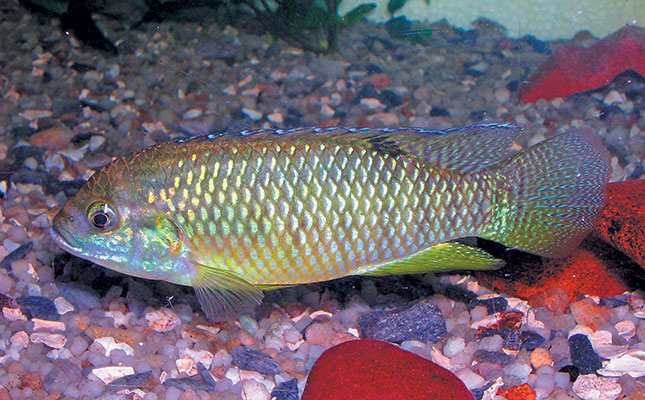
The rise and fall of ornamental fish culture
Fifteen years ago or so, rearing aquarium fish was an extremely attractive prospect, with some of these fish selling for upwards of R3 000/ kg. Moreover, high-value aquarium fish could (and still can) be marketed live, with no need for processing or refrigeration. Sadly, this is no longer the lucrative business proposal it was once.…
-
Why fish farming is booming in Zambia, and not in SA
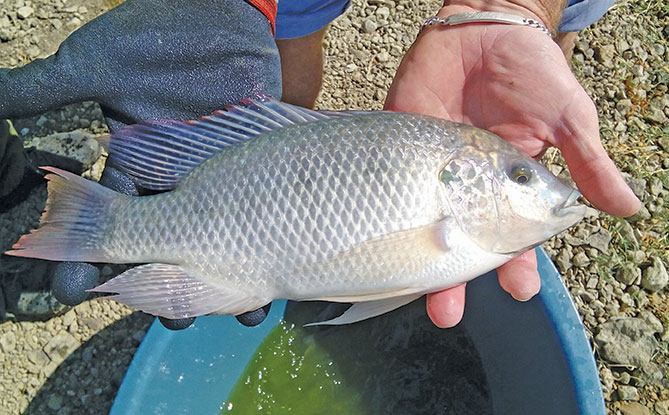
Zambia has a considerable wild fishery, thanks to its large lakes and rivers. Unfortunately, the country’s increasing human population has already over-exploited this natural resource and yields are dwindling. This has resulted in a 50 000t shortfall in national fish demand, which is currently supplied by Asian imports. The Zambian Fisheries Department has recognised for…
-
Mozambique tilapia: big plans for a small fish
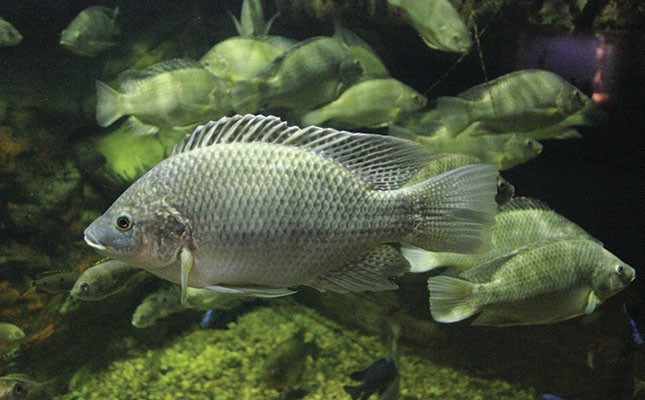
Despite a significant annual Cape hake quota, which fluctuates from 100 000t/year to 140 000t/year in South Africa, fish has become increasingly unaffordable for most food-insecure households. Wholesale prices of South Africa’s most favoured fish-and-chips choice, Cape hake, have climbed in recent years to above R45/kg on a whole-weight basis. Similarly, retail prices of tinned pilchards,…
-
Seawater-farmed tilapia
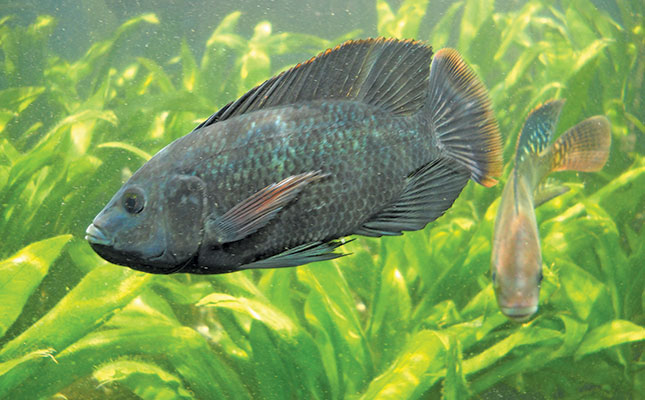
It is no secret that food-insecure households in South Africa are finding it increasingly difficult to include animal protein in their daily diets, not least because of the COVID-19 pandemic and rising food prices. From approximately 2005/06, broiler chickens began beating marine-capture fish to become the cheapest animal protein source in the country (tinned pilchards…
-
Hake Long Line Fishery Rights List Updated
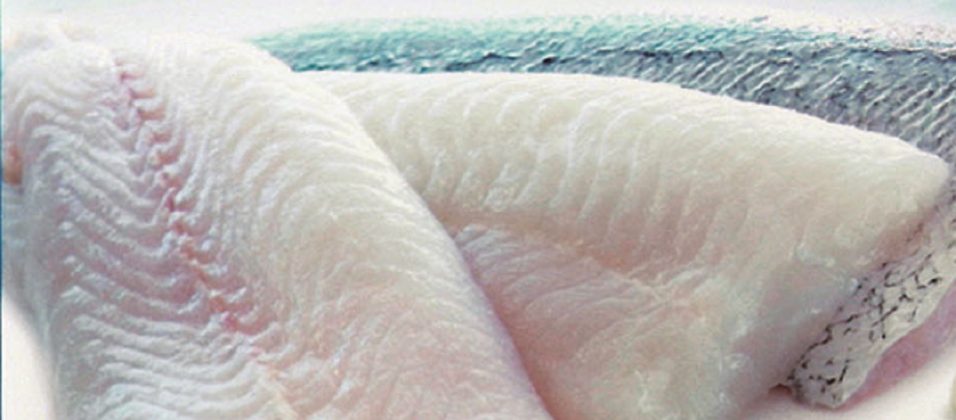
The final decisions on the allocations of rights and quantum in the Hake long line fishery have been published. The list is made up of 89 right holders who will share a total allowable catch (TAC) of 8621,155 tonnes. Not everyone is happy… Hake longline rights were originally allocated at the end of February 2022…