
Category: IRRIGATION
-
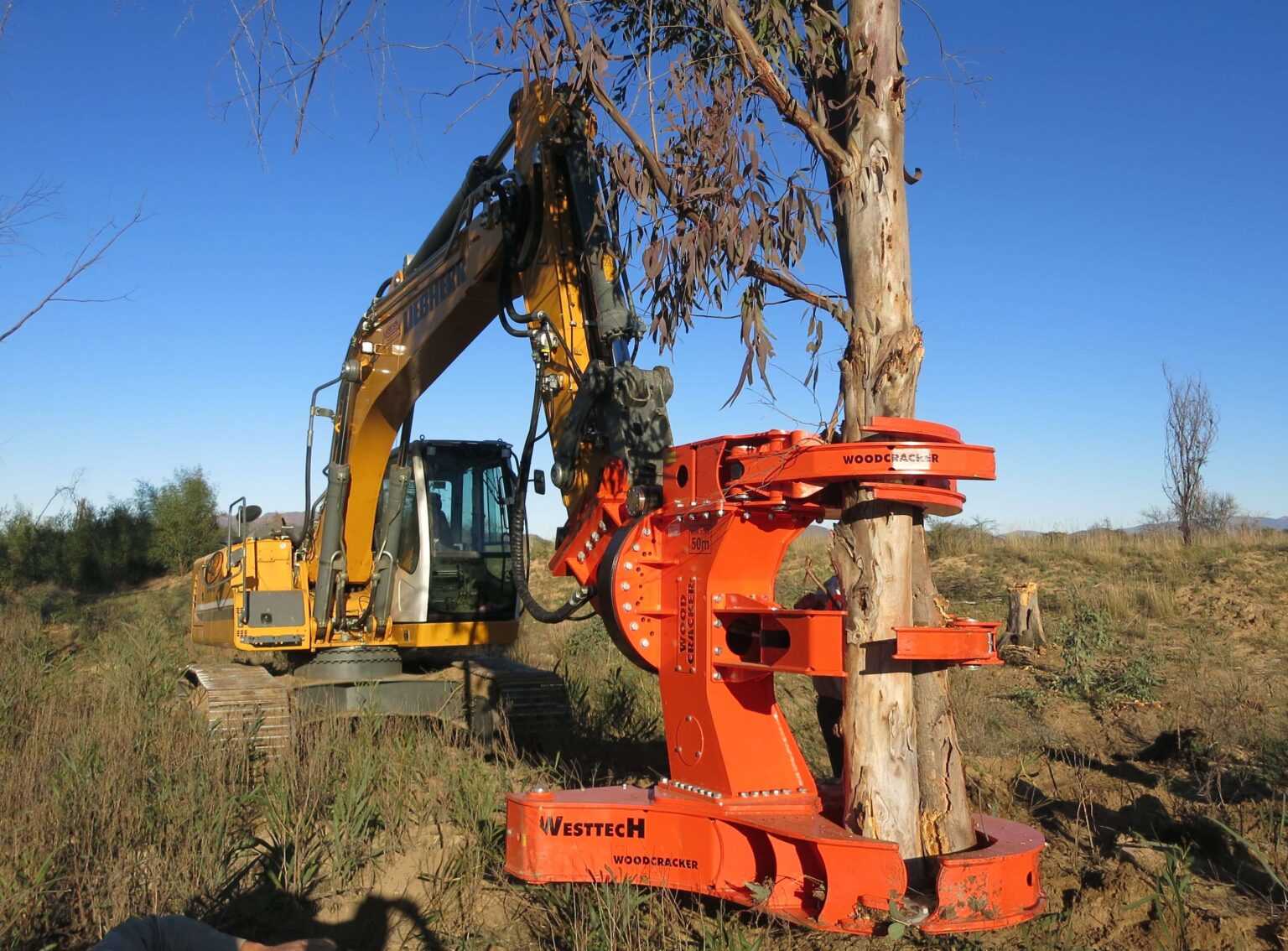
The Importance of Processing Forestry Waste in Sustainable Agriculture
Forestry waste is one of the most valuable yet often overlooked biomass resources in both agriculture and forestry systems. It includes branches, bark, leaves, twigs, and other organic residues generated during logging operations, plantation thinning, and forest management. When properly processed, this material can play a major role in improving agricultural sustainability, restoring soil health,…
-

Addressing cost, supply, and disease pressures in Africa’s feed industry
Feed producers across Africa are navigating an increasingly challenging operating environment, shaped by rising input costs, supply chain disruptions, and persistent animal health risks. Among the most pressing concerns is the continued spread of Foot-and-Mouth Disease, which is disrupting livestock markets and altering demand patterns across the continent. These overlapping pressures are forcing producers to rethink…
-

Smart Irrigation: How Automation Is Transforming Water Use in Agriculture
As water scarcity and climate variability intensify, efficient irrigation is becoming more critical than ever in modern agriculture. Where farmers once relied on intuition or rigid schedules, smart automation—powered by the Internet of Things (IoT)—is enabling a new era of precision farming. The result: optimized water usage, better crop yields, reduced costs, and more sustainable…
-

Malawi Focuses on Agricultural Commercialization and Irrigation
The Malawi government has unveiled an estimated USD 400 million (696.3 billion Malawi Kwacha) agriculture budget aimed at boosting commercialization and irrigation projects. This allocation accounts for 9% of the total national budget of approximately USD 4.6 billion (8.05 trillion Malawi Kwacha), making agriculture one of the most heavily funded sectors. A significant portion of…
-

Why Smarter Irrigation Is Key to Reviving Smallholder Farming in Africa
As the world grapples with feeding a growing population using less land and water, irrigation has emerged as a game-changer—especially for smallholder farmers in Africa. A 10-year study across Mozambique, Tanzania, and Zimbabwe revealed that many irrigation schemes fail not because of broken infrastructure, but because of poor crop choices, weak governance, and a lack of market access. Farmers are often pushed to grow low-value staples like maize or rice, which simply aren’t profitable on small plots. But there’s good news: smart, small-scale irrigation can turn things around. Projects introduced soil monitoring tools, innovation platforms, and business training to help farmers make informed decisions about watering, crop choices, and marketing. With better tools and knowledge, farmers used less water, reduced conflict, increased yields, and earned more—transforming irrigation schemes into climate-smart, profitable systems. The next step? Scaling these successes. This means building better policies, connecting farmers to markets, and supporting community-led, circular food systems that make the most of every drop of water. The future of African farming could be bright—if we get irrigation right.
-
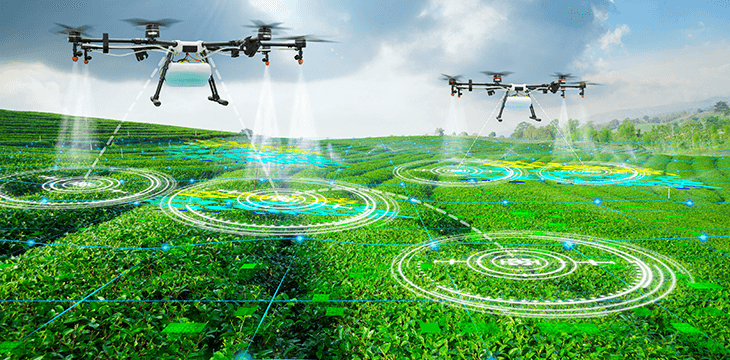
Smart Irrigation: How Automation Is Transforming Water Use in Agriculture
As water scarcity and climate variability intensify, efficient irrigation is becoming more critical than ever in modern agriculture. Where farmers once relied on intuition or rigid schedules, smart automation—powered by the Internet of Things (IoT)—is enabling a new era of precision farming. The result: optimized water usage, better crop yields, reduced costs, and more sustainable…
-

Why Smarter Irrigation Is Key to Reviving Smallholder Farming in Africa
As the world grapples with feeding a growing population using less land and water, irrigation has emerged as a game-changer—especially for smallholder farmers in Africa. A 10-year study across Mozambique, Tanzania, and Zimbabwe revealed that many irrigation schemes fail not because of broken infrastructure, but because of poor crop choices, weak governance, and a lack of market access. Farmers are often pushed to grow low-value staples like maize or rice, which simply aren’t profitable on small plots. But there’s good news: smart, small-scale irrigation can turn things around. Projects introduced soil monitoring tools, innovation platforms, and business training to help farmers make informed decisions about watering, crop choices, and marketing. With better tools and knowledge, farmers used less water, reduced conflict, increased yields, and earned more—transforming irrigation schemes into climate-smart, profitable systems. The next step? Scaling these successes. This means building better policies, connecting farmers to markets, and supporting community-led, circular food systems that make the most of every drop of water. The future of African farming could be bright—if we get irrigation right.
-

Agrico’s Innovative Irrigation Solution: Transforming Agriculture in Botswana’s Tuli Block
Project Spotlight: Agrico’s Innovative Irrigation Solution Location: Tuli Block, Southern Botswana (-22.237706 E, 28.996540 S) Crops: Cash crops, maize, and sugar beans Completion Date: Phase 1 – March 2018, Phase 2 – Planned to start April 2021 Size: Phase 1 – 380 Ha, Phase 2 – 105 Ha Scope: 24 Center pivots, 3 Pump stations, 3 Distribution dams, Multiple boreholes…
-

Namibia to Build Second Desalination Plant to Secure Long-Term Water Supply
Namibia is set to begin construction on its second desalination plant in January 2025, aiming to ensure long-term water security, crucial for the country’s sustainable development and economic growth. The plant, with a planned capacity of approximately 20 million cubic meters, is expected to be operational by early 2027. NamWater, the national water utility,…
-

Malawi Focuses on Agricultural Commercialization and Irrigation
The Malawi government has unveiled an estimated USD 400 million (696.3 billion Malawi Kwacha) agriculture budget aimed at boosting commercialization and irrigation projects. This allocation accounts for 9% of the total national budget of approximately USD 4.6 billion (8.05 trillion Malawi Kwacha), making agriculture one of the most heavily funded sectors. A significant portion of…