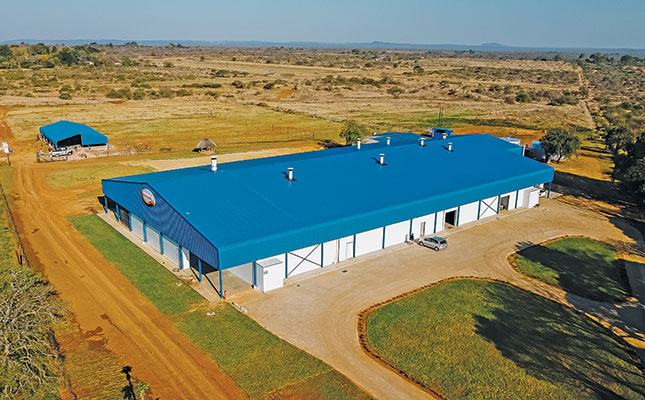
Limpopo hatchery goes to the next level
Anybody who believes in the motto ‘go big or go home’ has clearly never met 28-year-old Clive Tigere. He is going big in his own


Anybody who believes in the motto ‘go big or go home’ has clearly never met 28-year-old Clive Tigere. He is going big in his own
As more and more producers realise the benefits of using large populations of micro-organisms on their farms, so the number of different ways to apply
One common mistake farmers make is skipping the essential research related to their specific goals. To avoid this, it’s beneficial to visit other farms, observe
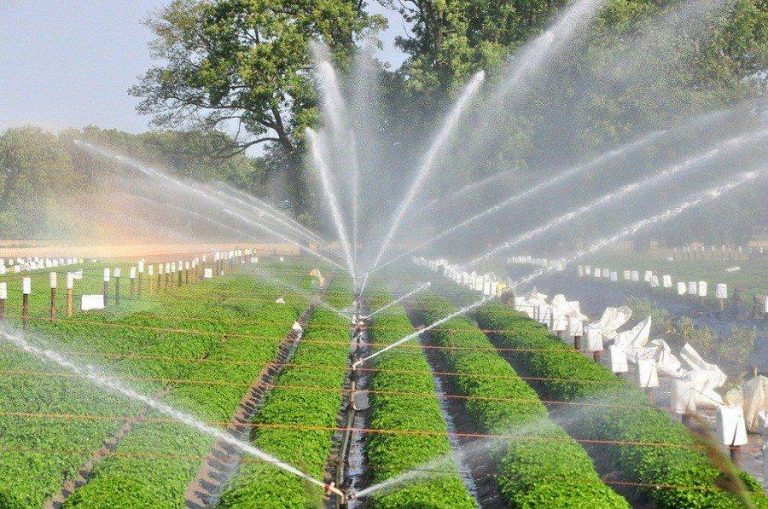
As the world grapples with feeding a growing population using less land and water, irrigation has emerged as a game-changer—especially for smallholder farmers in Africa. A 10-year study across Mozambique, Tanzania, and Zimbabwe revealed that many irrigation schemes fail not because of broken infrastructure, but because of poor crop choices, weak governance, and a lack of market access. Farmers are often pushed to grow low-value staples like maize or rice, which simply aren’t profitable on small plots. But there’s good news: smart, small-scale irrigation can turn things around. Projects introduced soil monitoring tools, innovation platforms, and business training to help farmers make informed decisions about watering, crop choices, and marketing. With better tools and knowledge, farmers used less water, reduced conflict, increased yields, and earned more—transforming irrigation schemes into climate-smart, profitable systems. The next step? Scaling these successes. This means building better policies, connecting farmers to markets, and supporting community-led, circular food systems that make the most of every drop of water. The future of African farming could be bright—if we get irrigation right.
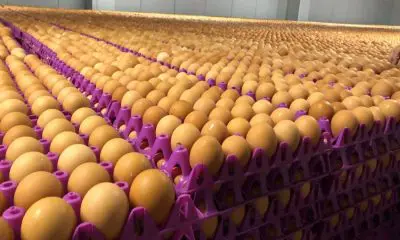
The Poultry Farmers Association of Nigeria (PFAN) has raised serious concerns over the growing unaffordability of eggs, citing the worsening economic situation as a major threat to
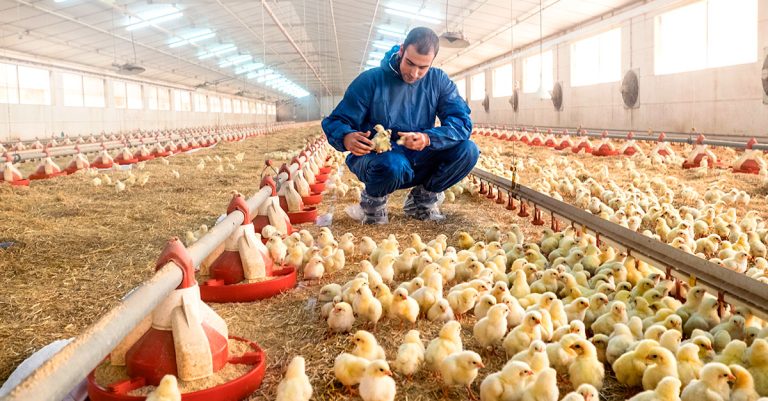
In the bustling heart of Bulawayo, a quiet agricultural revolution is taking flight. At the center of it all is Hamara Farmer, a local business breathing new
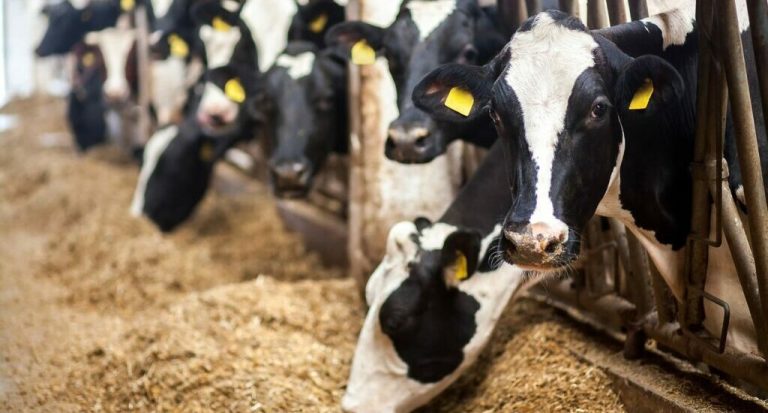
Regenagri, the global initiative championing regenerative agriculture, is preparing to launch a new set of enhanced standards designed to improve sustainability, traceability, and accountability across supply chains for food, feed, and textiles. Scheduled for official release on 6 June 2025, the updated standards will introduce measurable criteria to better substantiate regenerative claims. Ahead of the launch, regenagri will host two online briefing sessions on 4 June, offering a detailed overview and answering stakeholder questions. Franco Costantini, CEO of regenagri, emphasized that the revisions reflect the platform’s rapid global expansion and its commitment to continuous improvement. “These updated standards reinforce our ability to validate the environmental benefits of regenerative practices and bring greater transparency to global value chains,” said Costantini. Key Enhancements to Regenagri Standards: 1. Regenagri Content Standard (regenagriCS) This framework sets out chain of custody requirements for products made from regeneratively grown materials. Updates include: Clearer rules for transaction certificates and remote audits Structural improvements for easier adoption A continued focus on outcomes like reduced carbon emissions, healthier soils, and biodiversity gains 2. Chain of Custody (CoC) Standards for Food and Textiles Separate but harmonized standards now ensure traceability and segregation from farm to final product. Revisions include: Updated certification processes and timeframes Strengthened requirements for multisite and group certifications Enhanced due diligence, supplier approval, and audit procedures 3. Regenagri Claims Requirements This section clarifies how certified entities can accurately communicate regenerative claims, with: Defined criteria for different claim types Standardized messaging templates Clear roles for certification bodies and claim managers 4. New Technical Guidance Documents Two new documents will support the implementation of food, feed, and textile CoC standards, serving as practical tools to accompany the regenagri Content Standard and sector-specific frameworks.
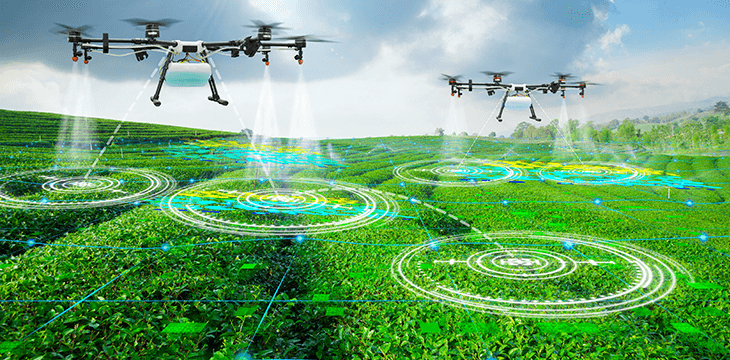
As water scarcity and climate variability intensify, efficient irrigation is becoming more critical than ever in modern agriculture. Where farmers once relied on intuition or
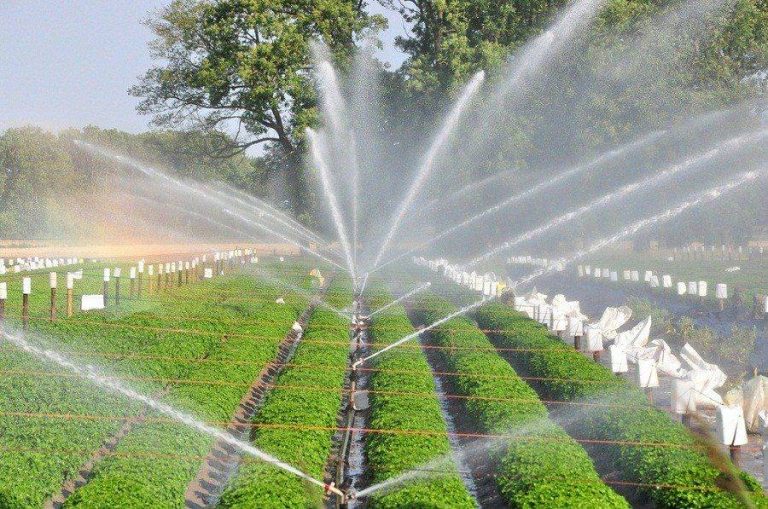
As the world grapples with feeding a growing population using less land and water, irrigation has emerged as a game-changer—especially for smallholder farmers in Africa. A 10-year study across Mozambique, Tanzania, and Zimbabwe revealed that many irrigation schemes fail not because of broken infrastructure, but because of poor crop choices, weak governance, and a lack of market access. Farmers are often pushed to grow low-value staples like maize or rice, which simply aren’t profitable on small plots. But there’s good news: smart, small-scale irrigation can turn things around. Projects introduced soil monitoring tools, innovation platforms, and business training to help farmers make informed decisions about watering, crop choices, and marketing. With better tools and knowledge, farmers used less water, reduced conflict, increased yields, and earned more—transforming irrigation schemes into climate-smart, profitable systems. The next step? Scaling these successes. This means building better policies, connecting farmers to markets, and supporting community-led, circular food systems that make the most of every drop of water. The future of African farming could be bright—if we get irrigation right.
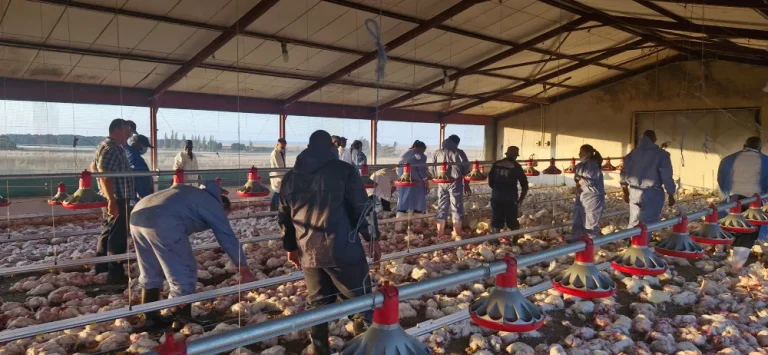
Despite a recent R74 million bailout from the Public Investment Corporation (PIC), Daybreak Poultry Farms remains embroiled in a deepening crisis that spans financial mismanagement,
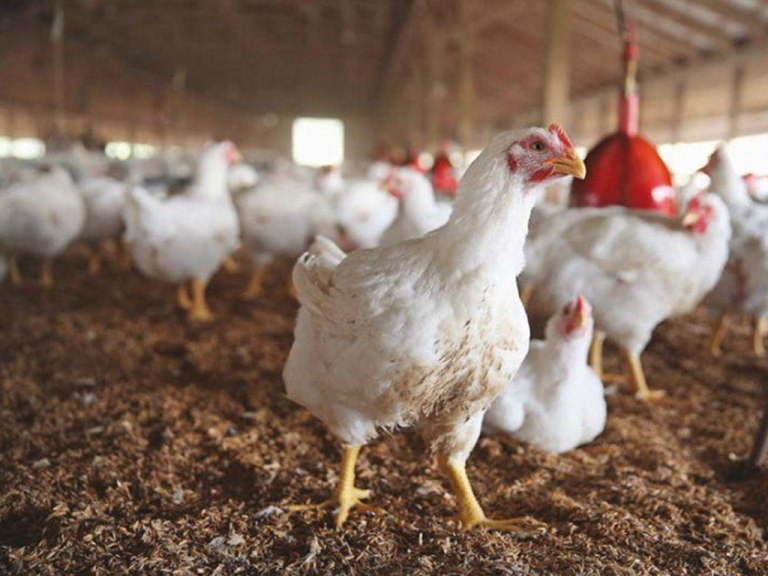
South Africa is on the brink of a meat supply crisis due to two simultaneous animal health emergencies: a foot-and-mouth disease (FMD) outbreak in cattle
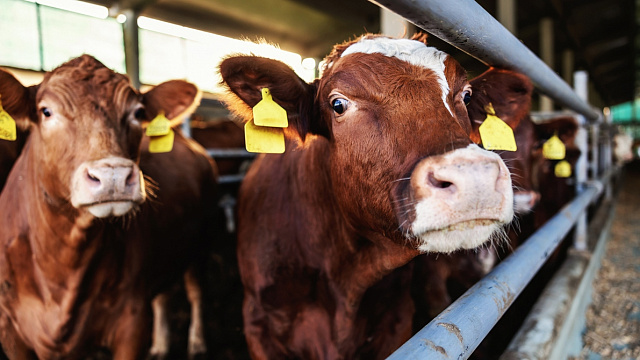
Indonesia and Brazil have launched a pilot cattle farming initiative that could hold valuable lessons for African nations looking to boost livestock production, improve food security, and