
Category: POULTRY AND LIVESTOCK
-
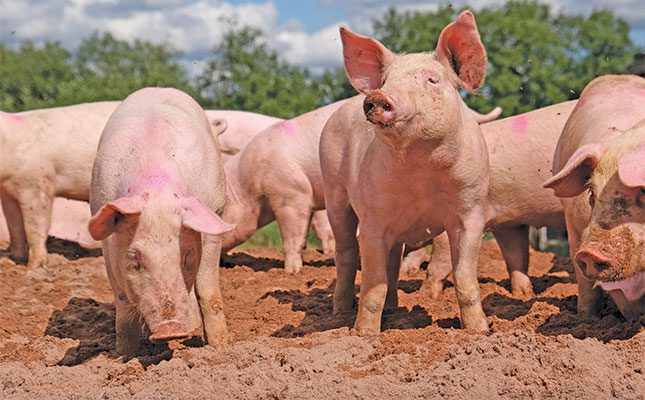
The business of pig farming: practical steps for success
One common mistake farmers make is skipping the essential research related to their specific goals. To avoid this, it’s beneficial to visit other farms, observe different operations, and evaluate which approaches are best suited to your farm or operational space,” she adds. Starting with a business plan A robust business plan lays the foundation for…
-

Soaring Costs Push Eggs Out of Reach for Many Nigerians, Poultry Farmers Warn
The Poultry Farmers Association of Nigeria (PFAN) has raised serious concerns over the growing unaffordability of eggs, citing the worsening economic situation as a major threat to both consumers and producers. During a recent visit to Governor Umar Namadi at the Government House in Dutse, Hussaini Gumel, Chairman of PFAN’s Jigawa State chapter, highlighted the impact of recent policy changes—particularly the removal of fuel…
-

Zimbabwe’s Poultry Revolution: How Hamara Farmer Is Turning Chickens Into a Pathway to Prosperity
In the bustling heart of Bulawayo, a quiet agricultural revolution is taking flight. At the center of it all is Hamara Farmer, a local business breathing new life into Zimbabwe’s poultry sector — long after the donor funding ran dry. What began as part of the African Poultry Multiplication Initiative (APMI) has grown into something far more powerful: a…
-

Regenagri to Launch Strengthened Standards for Sustainability and Traceability in Regenerative Agriculture
Regenagri, the global initiative championing regenerative agriculture, is preparing to launch a new set of enhanced standards designed to improve sustainability, traceability, and accountability across supply chains for food, feed, and textiles. Scheduled for official release on 6 June 2025, the updated standards will introduce measurable criteria to better substantiate regenerative claims. Ahead of the launch, regenagri will host two online briefing sessions on 4 June, offering a detailed overview and answering stakeholder questions. Franco Costantini, CEO of regenagri, emphasized that the revisions reflect the platform’s rapid global expansion and its commitment to continuous improvement. “These updated standards reinforce our ability to validate the environmental benefits of regenerative practices and bring greater transparency to global value chains,” said Costantini. Key Enhancements to Regenagri Standards: 1. Regenagri Content Standard (regenagriCS) This framework sets out chain of custody requirements for products made from regeneratively grown materials. Updates include: Clearer rules for transaction certificates and remote audits Structural improvements for easier adoption A continued focus on outcomes like reduced carbon emissions, healthier soils, and biodiversity gains 2. Chain of Custody (CoC) Standards for Food and Textiles Separate but harmonized standards now ensure traceability and segregation from farm to final product. Revisions include: Updated certification processes and timeframes Strengthened requirements for multisite and group certifications Enhanced due diligence, supplier approval, and audit procedures 3. Regenagri Claims Requirements This section clarifies how certified entities can accurately communicate regenerative claims, with: Defined criteria for different claim types Standardized messaging templates Clear roles for certification bodies and claim managers 4. New Technical Guidance Documents Two new documents will support the implementation of food, feed, and textile CoC standards, serving as practical tools to accompany the regenagri Content Standard and sector-specific frameworks.
-

Cash Injection Fails to Halt Crisis at Daybreak Poultry Farms
Despite a recent R74 million bailout from the Public Investment Corporation (PIC), Daybreak Poultry Farms remains embroiled in a deepening crisis that spans financial mismanagement, ethical failures, and widespread animal suffering. The funding, intended as an emergency measure to stabilise feed supplies and cover overdue staff salaries, has proven insufficient. A recent ruling by the…
-

South Africa Faces Meat Shortage Amid Poultry and Beef Disruptions
South Africa is on the brink of a meat supply crisis due to two simultaneous animal health emergencies: a foot-and-mouth disease (FMD) outbreak in cattle and a halt to chicken imports from Brazil over bird flu concerns. These disruptions threaten food security, especially in low-income communities reliant on affordable proteins like beef and chicken. The…
-
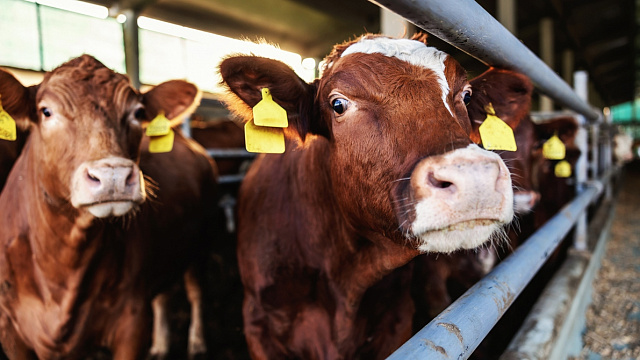
Indonesia and Brazil Partner on Cattle Farming Project: A Model for Africa?
Indonesia and Brazil have launched a pilot cattle farming initiative that could hold valuable lessons for African nations looking to boost livestock production, improve food security, and empower rural communities. The project, set in East Sumba, Indonesia, spans 10,000 hectares of communal land and introduces an innovative development model: community-owned land managed as a corporate asset, with profits shared between the local population…
-

Zimbabwe’s Poultry Revolution: How Hamara Farmer Is Turning Chickens Into a Pathway to Prosperity
In the bustling heart of Bulawayo, a quiet agricultural revolution is taking flight. At the center of it all is Hamara Farmer, a local business breathing new life into Zimbabwe’s poultry sector — long after the donor funding ran dry. What began as part of the African Poultry Multiplication Initiative (APMI) has grown into something far more powerful: a…
-
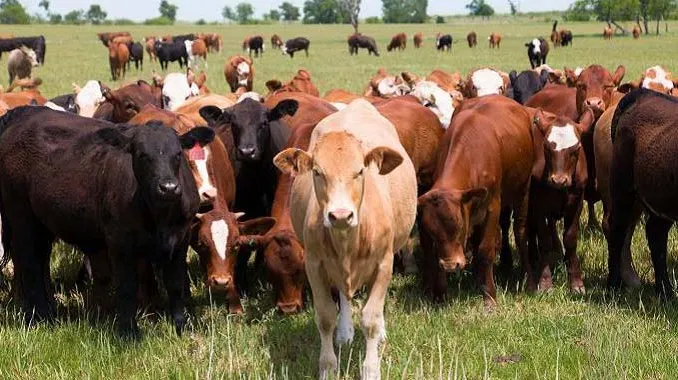
Zimbabwe to Launch First Agricultural Census Since Independence, with FAO Support
For the first time since gaining independence in 1980, Zimbabwe is set to conduct a comprehensive agricultural census, aiming to address long-standing data gaps that have hindered the development of the country’s vital agricultural sector. The census, known as the National Agricultural and Livestock Census (NALC), will provide crucial information to guide policy decisions and transform Zimbabwe’s agri-food systems. The absence of such a baseline survey for more than four decades has left the country with significant blind spots in planning, investment, and resource allocation. FAO Steps In with Technical Support The Food and Agriculture Organization of the United Nations (FAO) is providing technical assistance to Zimbabwe to help it develop a concrete plan of action for the NALC and begin mobilizing the necessary resources. This includes support in updating the national food balance sheet (FBS) — a critical tool for assessing food availability and ensuring food security. “This collaboration is part of FAO’s broader efforts to support Zimbabwe in strengthening its agricultural data systems and securing long-term food security,” the FAO said in a recent statement. A Cornerstone for Strategic Planning According to Dominique Habimana, FAO’s regional statistician for Africa, the upcoming census will be a cornerstone of two key national strategies: Zimbabwe’s Strategic Plan for Agricultural and Rural Statistics (2025–2029) The National Strategy for the Development of Statistics (2022–2026) “The NALC will offer a snapshot of the current state of agriculture in Zimbabwe,” said Habimana.“It will serve as a baseline for various agricultural subsectors and enable full enumeration for the first time. Importantly, the census will also help create a robust sampling frame to guide future agricultural surveys.” Why the Census Matters Now Zimbabwe’s agricultural sector remains a cornerstone of its economy and a key source of employment, especially in rural areas. Yet, the lack of reliable, up-to-date data has made it difficult for the government and development partners to make informed decisions, respond to crises, or invest in targeted interventions. The new census will capture critical information across a wide range of sub-sectors, including: Crop production Livestock holdings Irrigation and mechanization Land use patterns Rural household characteristics A Path Toward Data-Driven Food Security With the impacts of climate change, rising food prices, and fluctuating yields, accurate data is more important than ever. The agricultural census is expected to guide both national planning and international support, enabling Zimbabwe to better anticipate risks, allocate resources more effectively, and improve livelihoods. The FAO’s support aligns with its global goal of promoting evidence-based policymaking, particularly in countries vulnerable to food insecurity.
-

Soaring Costs Push Eggs Out of Reach for Many Nigerians, Poultry Farmers Warn
The Poultry Farmers Association of Nigeria (PFAN) has raised serious concerns over the growing unaffordability of eggs, citing the worsening economic situation as a major threat to both consumers and producers. During a recent visit to Governor Umar Namadi at the Government House in Dutse, Hussaini Gumel, Chairman of PFAN’s Jigawa State chapter, highlighted the impact of recent policy changes—particularly the removal of fuel…