
Deutz-Fahr and Kubota shared a roof at Nampo
Kubota, Deutz-Fahr, Polaris and Linhai were among the brands that could be viewed at Smith Power Equipment’s stand at this year’s Nampo. At the 2025


Kubota, Deutz-Fahr, Polaris and Linhai were among the brands that could be viewed at Smith Power Equipment’s stand at this year’s Nampo. At the 2025
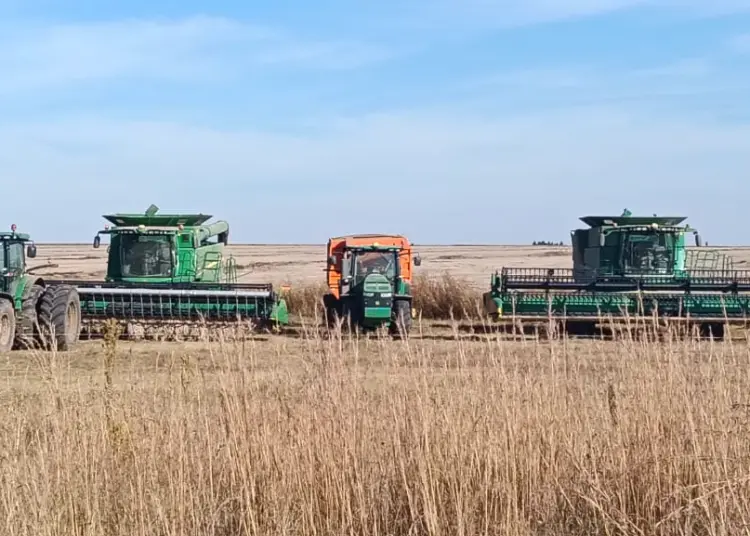
Despite a good harvest in the fields, many soybean farmers were unable to harvest due to the wet conditions. Amos Njoro, a farmer from Ya
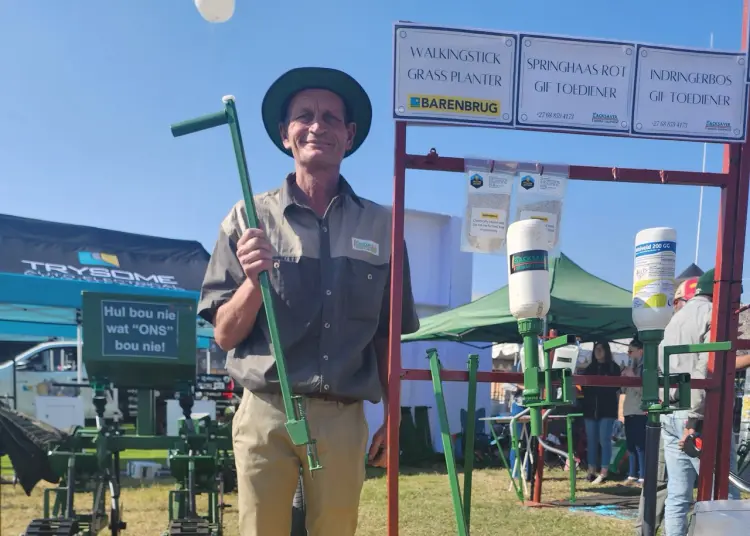
By Wellington Dhumira The Backsaver walking stick grass planter has been recognised as a runner-up in the commercial category of this year’s Farmers’ Plans Competition,
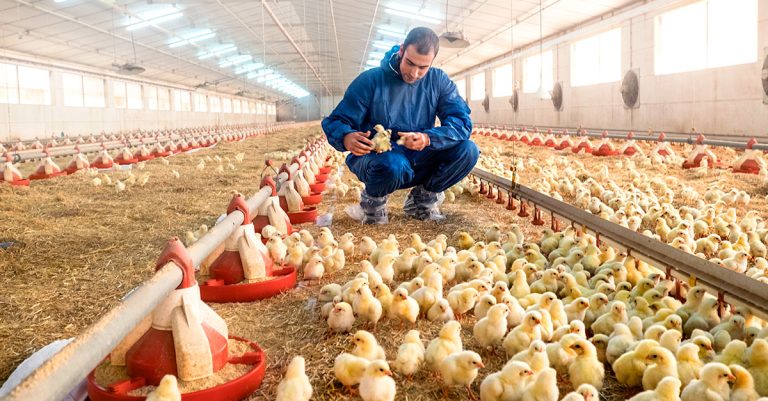
In the bustling heart of Bulawayo, a quiet agricultural revolution is taking flight. At the center of it all is Hamara Farmer, a local business breathing new
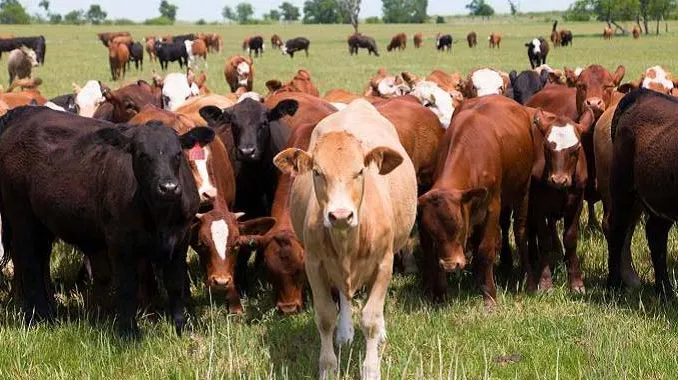
For the first time since gaining independence in 1980, Zimbabwe is set to conduct a comprehensive agricultural census, aiming to address long-standing data gaps that have hindered the development of the country’s vital agricultural sector. The census, known as the National Agricultural and Livestock Census (NALC), will provide crucial information to guide policy decisions and transform Zimbabwe’s agri-food systems. The absence of such a baseline survey for more than four decades has left the country with significant blind spots in planning, investment, and resource allocation. FAO Steps In with Technical Support The Food and Agriculture Organization of the United Nations (FAO) is providing technical assistance to Zimbabwe to help it develop a concrete plan of action for the NALC and begin mobilizing the necessary resources. This includes support in updating the national food balance sheet (FBS) — a critical tool for assessing food availability and ensuring food security. “This collaboration is part of FAO’s broader efforts to support Zimbabwe in strengthening its agricultural data systems and securing long-term food security,” the FAO said in a recent statement. A Cornerstone for Strategic Planning According to Dominique Habimana, FAO’s regional statistician for Africa, the upcoming census will be a cornerstone of two key national strategies: Zimbabwe’s Strategic Plan for Agricultural and Rural Statistics (2025–2029) The National Strategy for the Development of Statistics (2022–2026) “The NALC will offer a snapshot of the current state of agriculture in Zimbabwe,” said Habimana.“It will serve as a baseline for various agricultural subsectors and enable full enumeration for the first time. Importantly, the census will also help create a robust sampling frame to guide future agricultural surveys.” Why the Census Matters Now Zimbabwe’s agricultural sector remains a cornerstone of its economy and a key source of employment, especially in rural areas. Yet, the lack of reliable, up-to-date data has made it difficult for the government and development partners to make informed decisions, respond to crises, or invest in targeted interventions. The new census will capture critical information across a wide range of sub-sectors, including: Crop production Livestock holdings Irrigation and mechanization Land use patterns Rural household characteristics A Path Toward Data-Driven Food Security With the impacts of climate change, rising food prices, and fluctuating yields, accurate data is more important than ever. The agricultural census is expected to guide both national planning and international support, enabling Zimbabwe to better anticipate risks, allocate resources more effectively, and improve livelihoods.

The Poultry Farmers Association of Nigeria (PFAN) has raised serious concerns over the growing unaffordability of eggs, citing the worsening economic situation as a major threat to
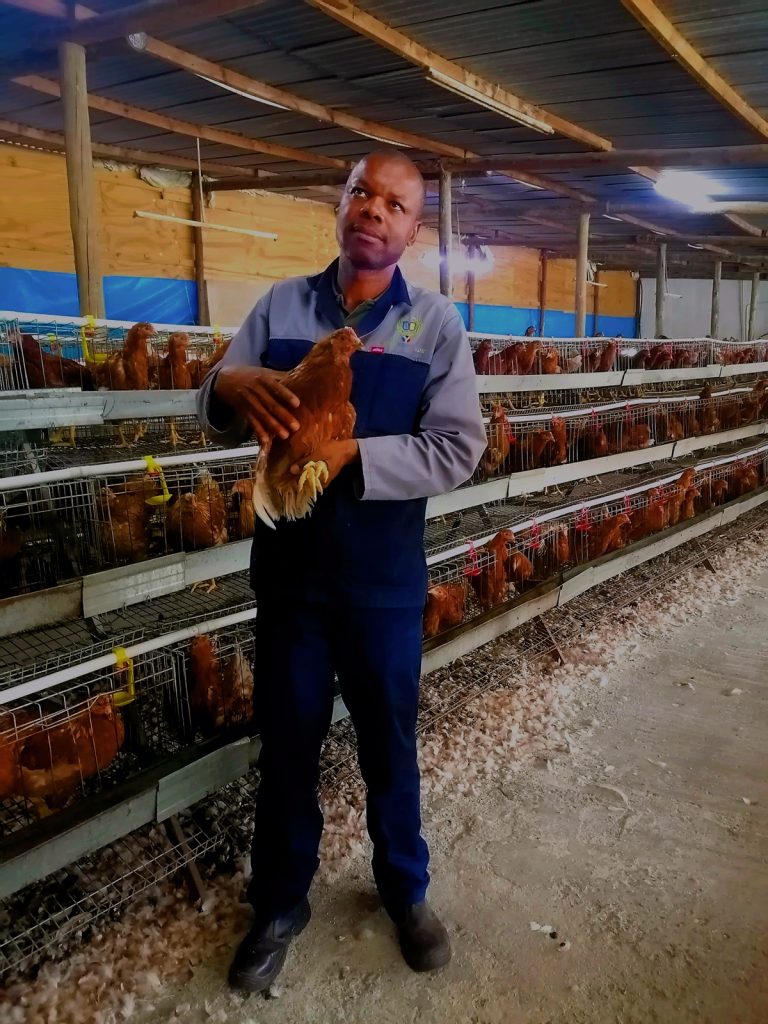
Ensuring your chickens lay high-quality, healthy eggs starts with proper care and management. Here are ten key strategies to help your layers perform at their
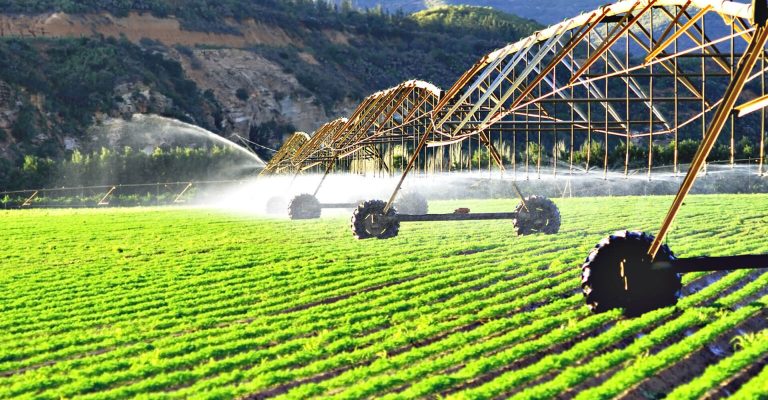
The Malawi government has unveiled an estimated USD 400 million (696.3 billion Malawi Kwacha) agriculture budget aimed at boosting commercialization and irrigation projects. This allocation
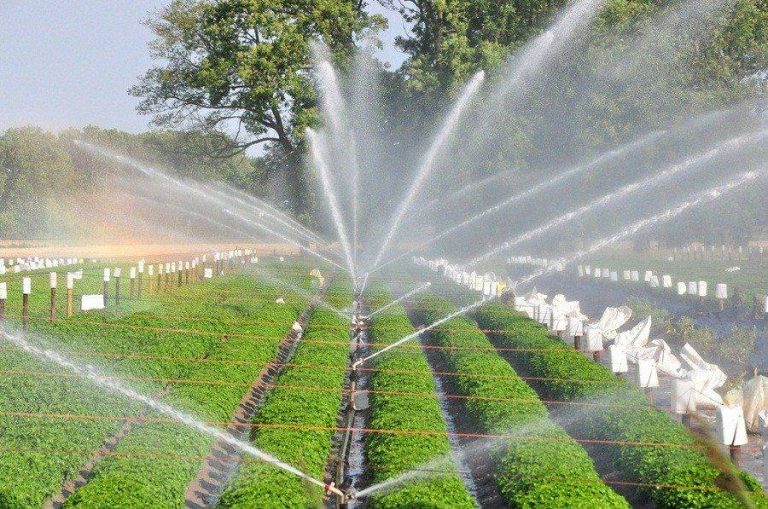
As the world grapples with feeding a growing population using less land and water, irrigation has emerged as a game-changer—especially for smallholder farmers in Africa. A 10-year study across Mozambique, Tanzania, and Zimbabwe revealed that many irrigation schemes fail not because of broken infrastructure, but because of poor crop choices, weak governance, and a lack of market access. Farmers are often pushed to grow low-value staples like maize or rice, which simply aren’t profitable on small plots. But there’s good news: smart, small-scale irrigation can turn things around. Projects introduced soil monitoring tools, innovation platforms, and business training to help farmers make informed decisions about watering, crop choices, and marketing. With better tools and knowledge, farmers used less water, reduced conflict, increased yields, and earned more—transforming irrigation schemes into climate-smart, profitable systems. The next step? Scaling these successes. This means building better policies, connecting farmers to markets, and supporting community-led, circular food systems that make the most of every drop of water. The future of African farming could be bright—if we get irrigation right.

Speaking to Farmer’s Weekly, Thuso Lethare, the event’s founder and organiser, said the event, which took place under the theme, Empowering Youth Through Opportunities in the
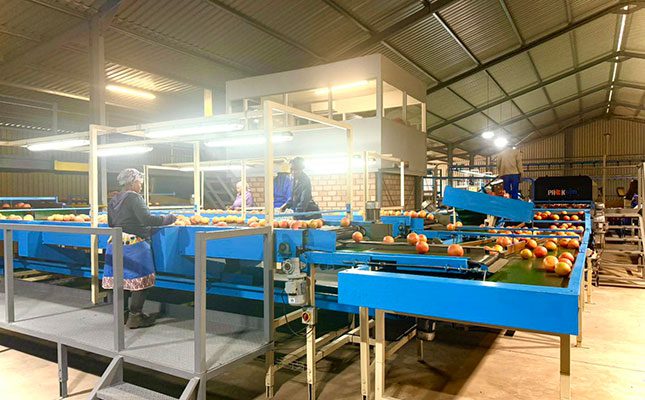
This initiative, according to the NAB, aims to reduce dependency on imports, create employment opportunities, and enhance the nation’s agricultural exports. The commitment was unveiled
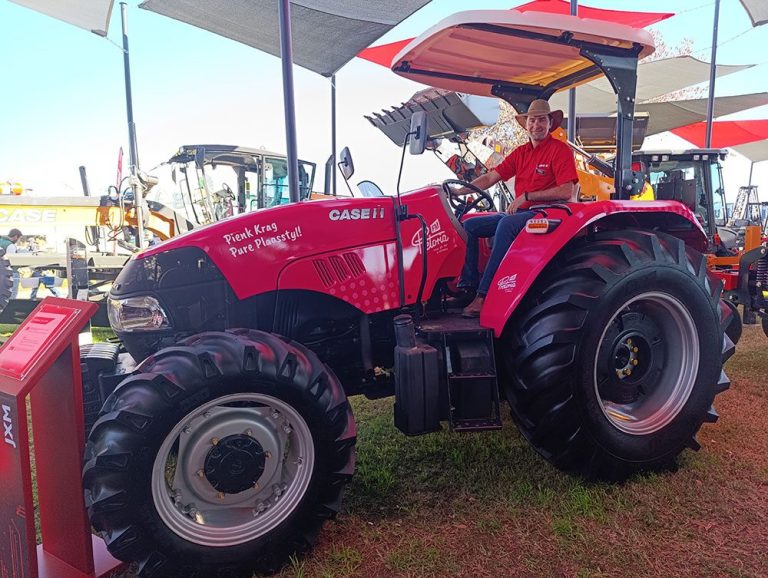
Why settle for a second-hand tractor when you can buy a brand-new one ranging from R270 000 to R450 000, excluding VAT, with an extendable one-year